

A family loading suitcases, snacks, and a rooftop cargo box into a BMW for a ten-hour drive is asking considerably more of that car than it was ever asked to handle on a routine commute to work. Sustained highway speeds, full passenger loads, and hours of continuous operation all place a genuinely different kind of stress on a vehicle than everyday errands ever do, and most owners never think about this distinction until they’re already several states away from home.
Thoughtful modifications exist specifically to close this gap between everyday driving and the genuine demands of a long family road trip. Understanding exactly what changes matter, and why, helps explain why more families are treating this kind of preparation as essential rather than optional before setting out on their next big drive.
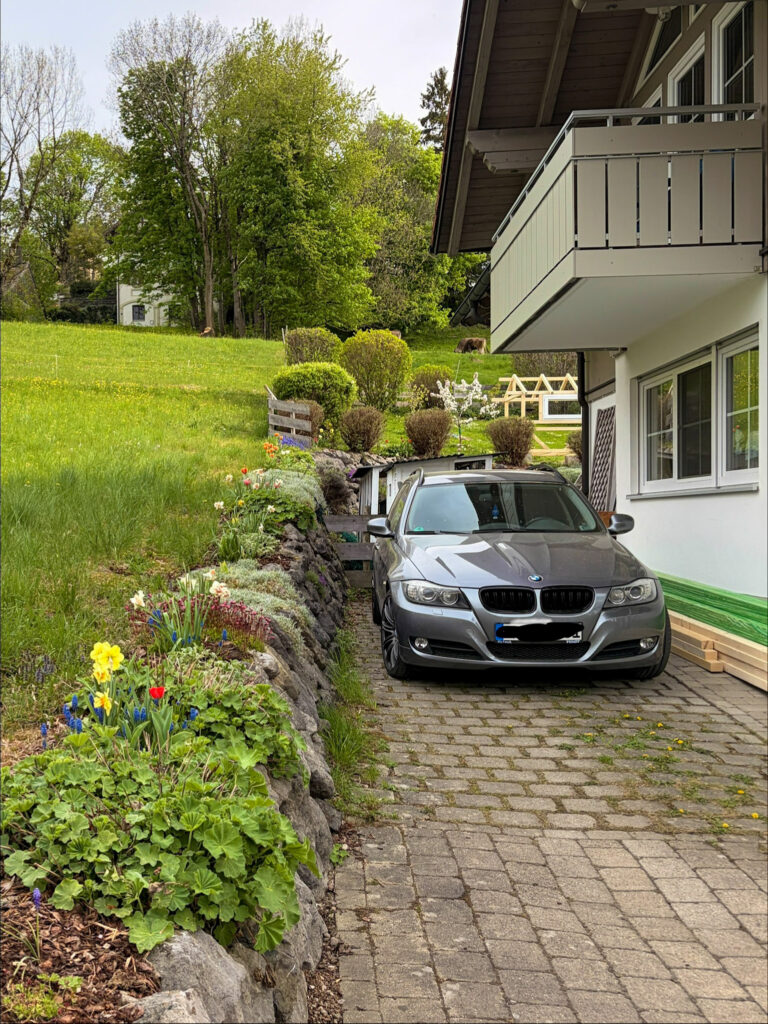
What Road Trips Actually Demand From a Vehicle
A road trip asks a car to perform consistently for hours at a stretch, often through varying temperatures, elevation changes, and road surfaces that a daily commute simply never involves. This sustained demand reveals weaknesses in a vehicle’s cooling, suspension, and braking systems that short, everyday trips rarely expose.
AAA roadside data shows vehicles more than 10 years old are twice as likely to break down and four times more likely to require a tow than newer vehicles, a risk that increases considerably during the sustained demands of a long road trip.
Add a fully loaded cabin and trunk, sometimes with a roof box or trailer, and the strain on these same systems increases considerably beyond what most owners realize until they’re already deep into a long stretch of highway. Recognizing this gap in advance, rather than discovering it the hard way, is exactly why thoughtful preparation matters so much.
Why These Modifications Genuinely Matter for a Family Road Trip
Each of the following modifications addresses a specific, real demand that a long family drive places on a vehicle, rather than simply adding performance for its own sake. Here are six reasons families increasingly consider these upgrades before a major trip.
1. Cooling System Upgrades Prevent Overheating on Long Highway Stretches
Sustained highway driving places continuous demand on a cooling system, especially in warmer climates or through mountainous terrain. Everyday city driving rarely tests a cooling system this hard. An upgraded radiator or improved cooling components help the engine hold a stable temperature across hours of continuous driving, rather than gradually creeping toward overheating right when a family is counting on the car most.
2. Suspension Modifications Improve Comfort Over Hundreds of Miles
A suspension tuned for spirited daily driving doesn’t always translate into genuine comfort across the hundreds of miles a road trip actually covers. A full cabin and cargo load changes how the car sits and handles considerably. Thoughtful suspension adjustments improve ride quality for this kind of sustained, loaded travel, and that smoother ride often means a calmer, less fussy cabin for kids in the back seat.
3. Braking Upgrades Matter More With a Fully Loaded Car
A fully loaded family vehicle, packed with luggage and passengers, needs considerably more stopping power than the same car carrying just a driver on an everyday commute. Upgraded brakes provide the added margin that extra weight genuinely demands. This matters most during mountain descents or sudden highway traffic, exactly the moments a family road trip is most likely to actually need that extra stopping power.
4. Exhaust and Engine Tuning Can Improve Fuel Efficiency on Long Drives
Certain modifications, when properly tuned, can improve fuel efficiency during sustained highway driving. This adds up to real savings and fewer fuel stops across a multi-day trip. The difference is barely noticeable around town, but over hundreds of highway miles, fewer stops means more time actually spent making progress toward the destination.
5. Reliability-Focused Modifications Reduce the Risk of Breakdowns Far From Home
A breakdown during an everyday commute is inconvenient. A breakdown hundreds of miles from home, with a family and a full car of luggage, is considerably more stressful and harder to resolve. Modifications focused specifically on reliability, rather than pure performance, help reduce this risk well before it ever becomes a real problem on an unfamiliar stretch of highway.
6. Improved Handling Supports Safer Decision-Making in Unexpected Situations
Unexpected situations, a sudden lane change, an animal crossing the road, a stretch of unfamiliar weather, all demand a vehicle that responds predictably in the moment. Handling-focused modifications improve exactly this kind of responsiveness. For a family behind the wheel, that added confidence in how the car responds translates directly into a safer drive across the full length of a long trip.
Choosing Modifications Built for Real Family Use
Not every modification is designed with genuine family road trip use in mind, and the difference matters considerably between upgrades built purely for track performance and those genuinely suited to sustained, loaded, real-world driving. Understanding this distinction helps families invest in changes that actually serve their specific driving needs, rather than simply chasing performance specifications that don’t translate into meaningful trip reliability.
This is exactly why working with a shop that understands the difference between performance-focused and reliability-focused modification matters so much for a family’s specific goals. Families exploring BMW modifications for exactly this kind of road trip readiness benefit from working with a shop that understands this distinction clearly.
Fabspeed Motorsport’s BMW-specific portfolio covers a broad range of modifications, from exhaust and intake systems to suspension and performance upgrades, supporting a more tailored approach to building a vehicle for its particular role.
How These Modifications Pay Off Beyond the Trip Itself
The value of these modifications rarely disappears once a family returns home from their trip. Improved cooling, braking, and suspension continue benefiting everyday driving long after the road trip itself has ended, since these same systems support ordinary daily use just as much as they support a long highway drive.
Many families also find that a well-maintained, thoughtfully upgraded vehicle holds its value more effectively over time, since documented, quality modifications and consistent care tend to appeal to future buyers who understand their genuine benefit. This lasting value, both in everyday driving quality and eventual resale, is part of why these modifications continue paying off well beyond the specific trip that first motivated the investment.
Conclusion
BMW modifications matter for road-tripping families because they directly address the specific, sustained demands a long drive places on a vehicle in ways everyday driving simply never tests. From cooling and braking to suspension and reliability, each upgrade covered here protects against a real risk that only shows up once a car is asked to perform for hours at a time, fully loaded, far from home. For any family planning their next big trip, addressing these needs beforehand is one of the clearest ways to protect both safety and peace of mind along the way.






Leave a Reply