
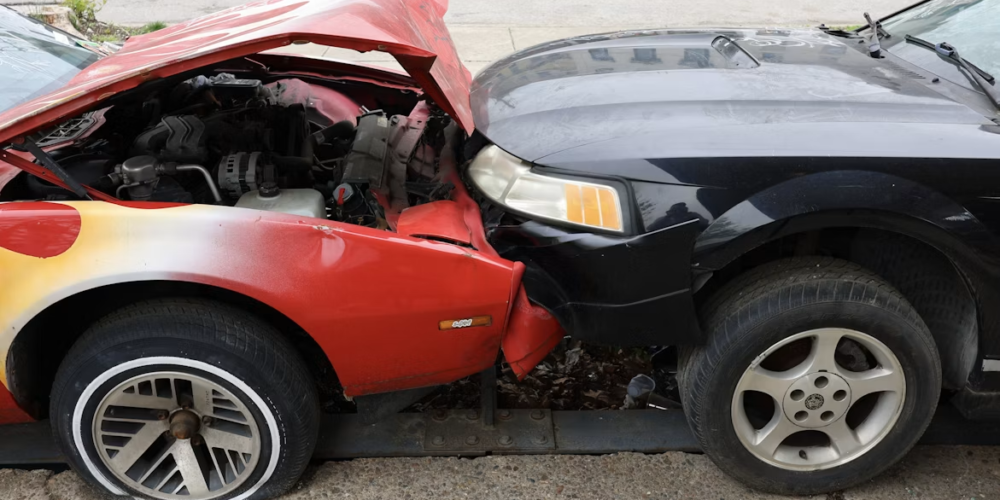
When an accident happens, the immediate aftermath often feels like a chaotic blur of conflicting stories and hazy memories. For decades, investigators relied on physical evidence like skid marks and eyewitness testimony to piece together what occurred.
Today, however, a new, more objective source of truth is available: the digital breadcrumbs we leave behind. From our cars to our phones, electronic devices record data that can provide a clear, unbiased account of the moments leading up to a collision.
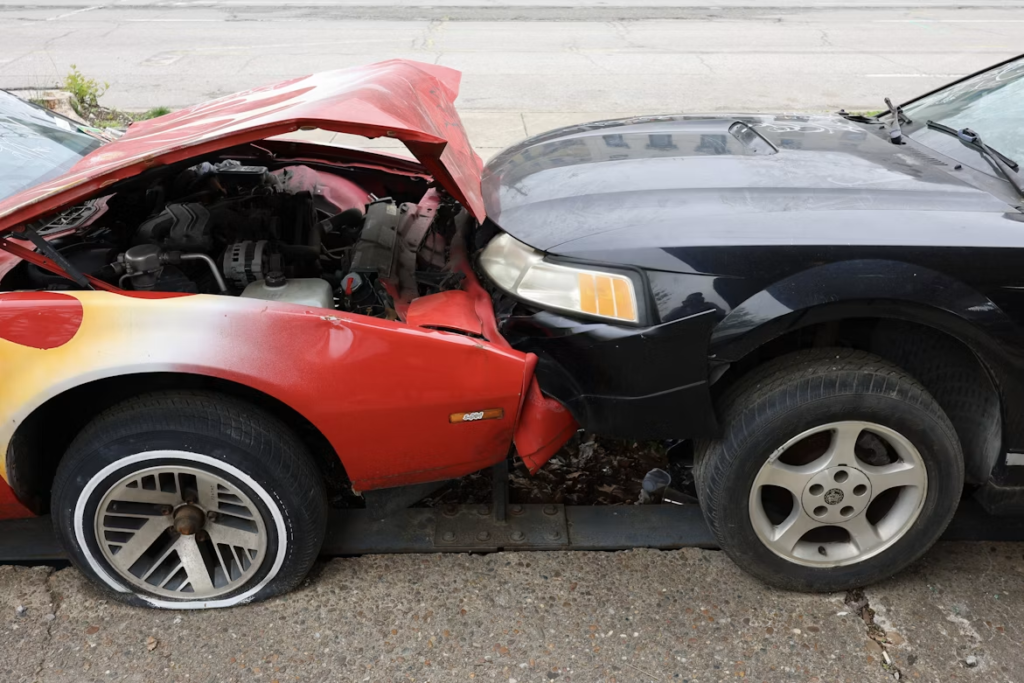
Image Credit: Unsplash
Beyond Eyewitness Accounts
Eyewitness testimony has long been a cornerstone of accident claims, but it’s notoriously unreliable. Human memory can be flawed, stress can skew perceptions, and people may have biases they aren’t even aware of. One person might swear a car was speeding, while another remembers it traveling at a normal pace. This is where digital records come in.
They don’t have emotions or biases. Instead, they provide raw, objective data that can either back up or contradict human accounts, painting a much clearer picture of the event. This shift toward data-driven evidence helps ensure that claims are resolved based on facts, not just perceptions.
Cell Phone Forensics in Investigations
One of the most significant sources of digital evidence is the device we carry everywhere: our cell phone. In investigations, cell phone records can be invaluable. Timestamps on text messages, call logs, and data usage from apps can reveal whether a driver was engaged with their phone at the time of a crash. This information is critical for proving distracted driving in an accident, which can otherwise be difficult to confirm.
Obtaining these records typically requires a subpoena or court order, but once acquired, they can definitively show if a driver’s attention was diverted in the critical seconds before impact, providing indisputable evidence for an investigation.
Unpacking Vehicle Telemetry Data
Modern vehicles are essentially computers on wheels, equipped with sophisticated systems that monitor and record performance. The most well-known of these is the Event Data Recorder (EDR), often called a black box. An EDR captures crucial information in the moments before, during, and after a crash, including vehicle speed, accelerator and brake pedal usage, steering wheel angle, and seatbelt status. This information helps experts reconstruct the accident with incredible accuracy.
As technology advances, the use of telematics and infotainment data is becoming standard, revolutionizing how insurers and investigators analyze accidents.
Understanding Data Privacy Laws
Accessing this wealth of digital information naturally raises questions about privacy. It’s important to understand that this data isn’t a free-for-all for investigators. In most cases, accessing information from a person’s phone or a vehicle’s EDR requires legal authority, such as the owner’s consent or a warrant.
Federal laws like the Driver Privacy Act of 2015 establish that the vehicle owner or lessee owns the data on the EDR. These legal frameworks create a necessary balance, allowing for the collection of important evidence while protecting individuals’ right to privacy.
The Future of Evidence Collection
The role of digital evidence in accident claims will only continue to grow. The increasing prevalence of dashboard cameras, both personal and commercial, provides video evidence that was once rare. Smart city infrastructure with interconnected traffic cameras and sensors will offer even more data points to reconstruct incidents.
As vehicles become more connected and autonomous, they will generate an even greater volume of data, offering an unprecedented level of insight into the cause of an accident. This evolution promises a future where accident claims are resolved with greater speed, accuracy, and fairness.
The shift toward digital records is creating a more accountable environment on our roads. While technology can’t prevent every accident, it can provide the clarity needed to ensure that responsibility is assigned based on facts, not guesswork.






Leave a Reply