
There’s something satisfying about wearing something that feels genuinely yours. Not just something you picked off a rack, but something that says something about who you are, what you care about, or where you’ve been. For a growing number of people, custom patches are becoming one of the simplest and most versatile ways to get there.
Custom patches are fabric-based embellishments, typically embroidered, woven, or printed, that can be sewn or ironed onto clothing, bags, and accessories to add a personal or branded touch. They come in virtually any shape, size, or color, and can be made to carry anything from a logo to a personal design.
Below are five key reasons consumers can’t get enough of them.
1. Custom Patches Turn Ordinary Clothing Into Something Personal
A plain denim jacket is just a denim jacket. Add a carefully chosen patch to the sleeve or back, and suddenly it tells a story. That’s the real appeal of custom patches. They take something generic and make it specific to the person wearing it.
This works for individuals and groups alike. Someone might use a patch to mark a trip they took, a band they love, or a cause they care about. A sports team might use matching patches to build a sense of identity and belonging. A small business might put a branded patch on staff uniforms to give them a polished, cohesive look without the cost of fully custom clothing. The application changes, but the underlying appeal is the same: a patch makes something feel intentional.
2. The Range of Styles Makes Them Endlessly Flexible
Custom patches aren’t a single thing. Embroidered patches have a classic, tactile quality that works well for logos, crests, and bold designs. Woven patches handle fine detail and small text better, making them a good choice for intricate artwork or smaller formats. Printed patches open up the possibility of full-color photographic imagery that embroidery can’t replicate.
Some custom patch providers such as easy-Patches offer all three formats, which means the right technique can be matched to the right design rather than forcing every idea into the same production method. That flexibility is part of what makes custom patches work across such different contexts, from fashion-forward personal projects to professional branding applications.
3. They’re More Durable Than Printed Designs
One of the practical reasons patches have stayed relevant for so long is that they hold up. Screen-printed designs fade with washing. Heat transfers peel and crack over time. A well-made embroidered or woven patch, on the other hand, maintains its color and structure through years of regular use.
This matters especially for clothing that sees heavy wear. Workwear, outdoor gear, and children’s clothing all benefit from a form of decoration that doesn’t degrade with repeated washing. There’s also something to be said for the texture and dimension that a stitched patch brings compared to a flat print, a quality that looks better in person and photographs well too.
4. Custom Patches Support Sustainable Fashion Habits
One of the quieter shifts in how people think about clothing is a growing preference for keeping things longer rather than replacing them constantly. Custom patches fit naturally into that sustainable fashion mindset. A jacket with a small tear, a bag with a worn corner, or a pair of jeans with a faded patch of fabric can all be repaired and refreshed with a well-placed patch rather than thrown away.
This repair-and-refresh approach isn’t new. It’s how clothing was treated for most of history, before fast fashion made replacement cheaper than maintenance. Patches bring that sensibility back in a way that feels current and deliberate rather than makeshift.
5. They’re Accessible to Anyone
One thing that’s changed significantly in recent years is how easy it is to get custom patches made. The process that once required knowing the right supplier or placing large industrial orders has become much more accessible. Minimum order quantities have dropped, online quoting tools let people calculate costs instantly, and turnaround times are faster than they used to be.
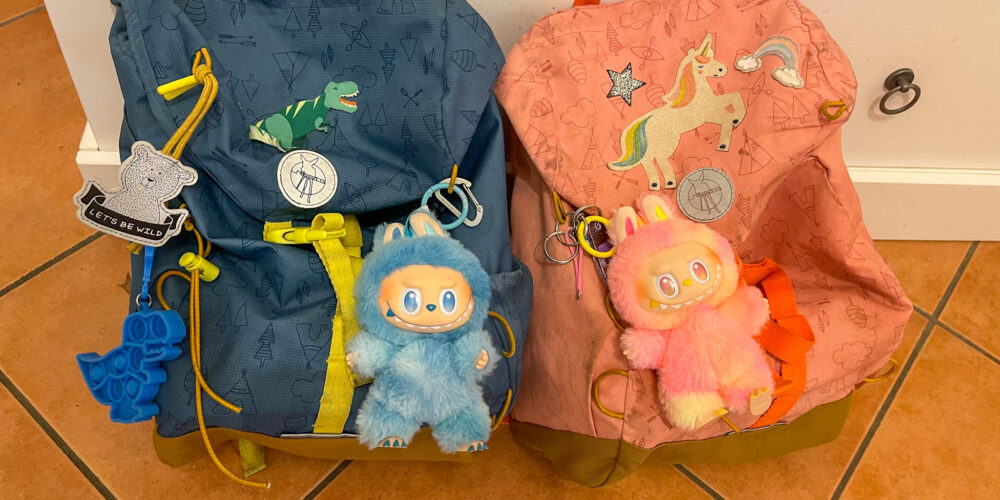
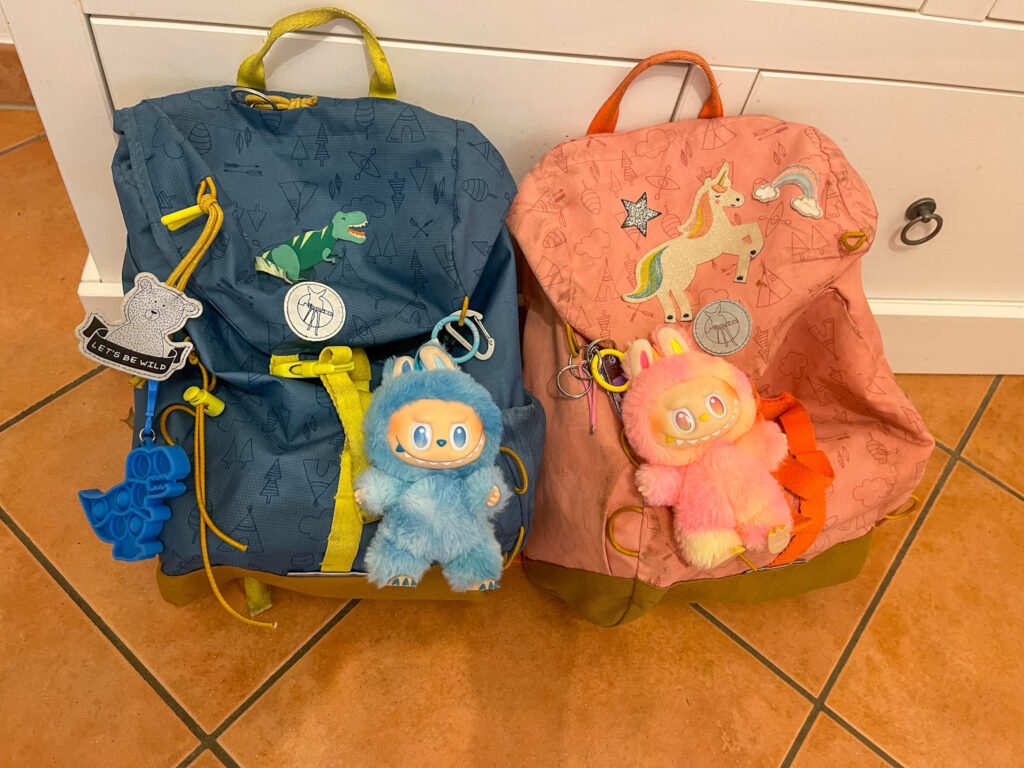
That accessibility has opened up patch customization to a much wider audience. Independent designers use them to create small-run merchandise. Community groups use them to mark membership or participation. Parents use them to personalize school bags and sports kits. The barrier to entry is low enough that patches are no longer just for established brands or large organizations.
Bringing It All Together
In a world where most clothing is made in the same few factories and distributed globally, the desire to wear something that doesn’t look like what everyone else has becomes more pronounced. Custom patches offer a straightforward way to stand out, not through an expensive brand logo, but through something genuinely specific to you.
That specificity is what keeps the trend going. A patch can commemorate something, represent something, or simply look exactly the way you wanted it to. In a fashion landscape full of noise, that kind of quiet personal statement tends to land well.





Leave a Reply