
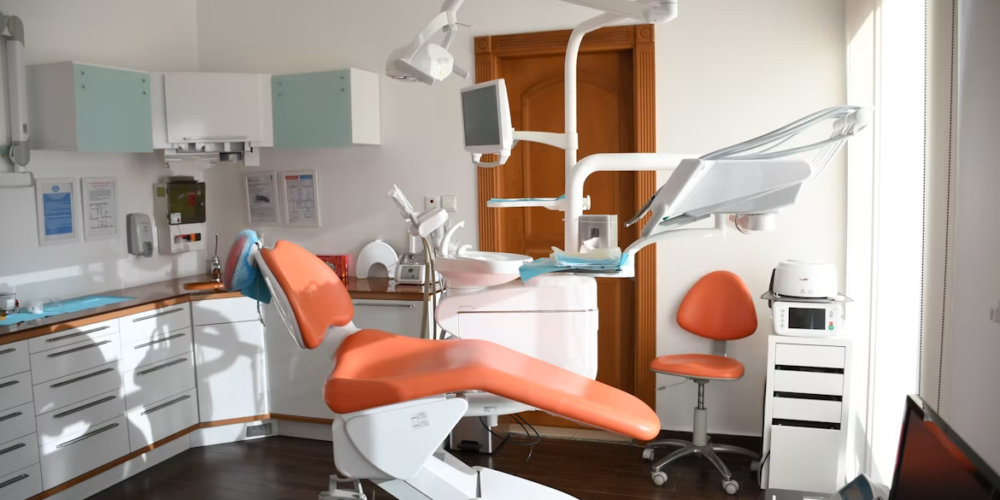
Image credit Unsplash
Modern restorative dentistry can repair damaged or missing teeth in fewer appointments than many patients expect. Digital imaging, computer-guided planning, and improved dental materials have made treatment more efficient while preserving the careful evaluation that good results require. For people considering dental implant treatment, these advances can shorten certain stages and provide a clearer picture of the expected outcome.
Speed, however, depends on your oral health and the type of restoration you need. Understanding what happens behind the scenes helps you compare options without treating a short timeline as the only measure of quality.
What accelerated care really means
Accelerated dental care combines several parts of diagnosis, design, and treatment into a coordinated process. A dentist may use three-dimensional scans to assess the teeth, jaw and surrounding structures during one visit. Digital records can then support restoration design and guide the procedure.
This approach reduces delays caused by physical impressions, separate imaging appointments or repeated adjustments. It can also help the dental team identify concerns earlier. Efficiency still has limits. Active gum disease, low bone volume, or certain medical conditions may require treatment before restorative work begins. A responsible timeline reflects your individual health instead of a fixed promise made before an examination.
When a shorter treatment timeline may work
Some patients can receive a temporary restoration on the day an implant is placed. People exploring same-day dental implants should expect a detailed consultation first, since same-day treatment depends on bone condition, implant stability, and the number of teeth being restored.
A shorter process may suit someone with adequate bone support and healthy gums who follows post-procedure instructions carefully. It may not suit a patient who needs bone grafting or treatment for an active infection. Ask whether the restoration fitted that day is temporary or permanent. In many cases, the final restoration is placed after the implant has had time to integrate with the jaw.
Digital tools improve planning
Accurate planning is one of the main reasons restorative treatment has become more efficient. Cone beam computed tomography can produce a detailed three-dimensional view of bone and nearby anatomy. Intraoral scanners create digital models without trays of impression material, while design software helps the dental team plan the size, position, and shape of a restoration.
These tools support rapid and efficient treatment planning, but technology doesn’t replace clinical judgment. Your dentist still needs to review your health history, examine your bite and evaluate the condition of nearby teeth. Digital systems work best when their information is paired with a thorough physical examination and a realistic treatment plan.
Healing still sets the pace
A faster appointment schedule cannot remove the body’s need to heal. After implant placement, bone gradually forms a stable connection around the implant. The time required varies based on implant location, bone quality, general health, and habits that affect recovery.
Follow the written instructions you receive, including guidance on brushing, food texture and activity. Keep every follow-up visit even if the area feels comfortable. These checks allow the dental team to look for inflammation, evaluate stability and adjust a temporary restoration if it places too much pressure on the healing area.
Call the office promptly if you notice increasing pain, persistent bleeding, swelling that worsens after several days, or a loose temporary tooth.
Questions to ask before treatment
A useful consultation should explain the procedure in plain language and give you enough detail to compare timelines, costs and expected results. Bring a current medication list and tell the dentist about chronic conditions, previous dental procedures and any problems with healing.
Ask these practical questions:
- Which parts of my treatment can happen during one appointment?
- Will I receive a temporary or final restoration that day?
- Do I need gum treatment or bone grafting first?
- What happens if the implant doesn’t reach the required stability?
- How many follow-up visits should I expect?
- Which costs are included in the written estimate?
You should also request instructions for the first week of recovery. Specific guidance is more useful than a general promise of quick treatment.
Efficiency should support lasting results
Modern systems can remove avoidable waiting and give patients a clearer view of their restorative options. The best treatment schedule still leaves room for diagnosis, careful placement and biological healing.
Before agreeing to an accelerated procedure, review what will happen on treatment day and what remains to be completed later. A clear distinction between the temporary restoration, healing phase, and final tooth helps set realistic expectations. The most useful measure of efficiency is a well-coordinated process that protects oral health while producing a comfortable and functional result.





Leave a Reply