

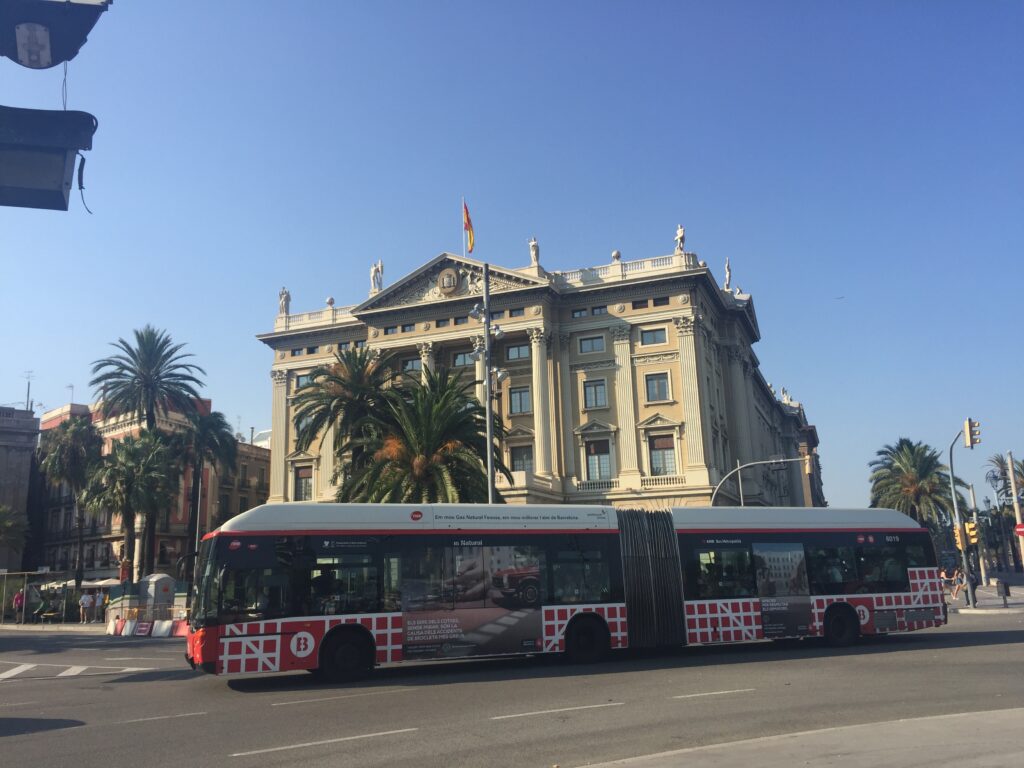
Imagine driving through a busy neighborhood and seeing a brightly branded bus featuring a memorable logo, an appealing product image, and a short message. Even if you are not looking for that product, the advertisement may stay in your mind. Businesses often struggle to capture attention in crowded digital spaces, making traditional outdoor advertising worth reconsidering.
Buses offer a practical way to take marketing messages beyond storefronts and online platforms. Their movement across streets, commercial areas, and residential neighborhoods creates opportunities to introduce a brand to different audiences. When planned carefully, bus advertising can become more than an eye-catching display. It can support brand recognition, local marketing efforts, and long-term business visibility.
Why Bus Advertising Can Be a Valuable Marketing Investment
Outdoor advertising gives businesses an opportunity to connect with people in their everyday surroundings. Buses are particularly useful because they travel through different locations rather than remaining fixed in one place.
A professionally designed bus wrap can turn an ordinary vehicle into a mobile advertising space that communicates a business’s identity wherever it travels. This approach can benefit businesses looking to:
- Improve brand recognition: Repeated exposure to a logo, brand colors, and messaging can help people become more familiar with a business.
- Reach different audiences: Buses traveling through commercial districts, residential areas, shopping centers, and event venues may encounter varied audiences.
- Make marketing more memorable: Large graphics and creative visuals can attract attention in ways that smaller advertisements may not.
- Support local promotions: Businesses can use bus advertising to promote new locations, seasonal offers, events, or services.
How to Turn Bus Graphics Into an Effective Marketing Campaign
A bus offers considerable advertising space, but the design and message determine how effectively that space communicates. A clear marketing strategy can help businesses make the most of their investment.
1. Define Your Target Audience
Before designing graphics, identify the people you want to reach. A business promoting a family entertainment center may want its advertisements near residential neighborhoods, schools, or shopping areas, while a company offering professional services may prefer routes through commercial districts.
Understanding your audience helps determine which routes, locations, and messages are most relevant to your campaign.
2. Create a Simple, Memorable Design
People usually have only a few seconds to notice an advertisement on a moving vehicle. Therefore, a bus graphic should communicate the essential information without overwhelming viewers.
Consider including:
- A recognizable logo and brand colors.
- A short, memorable headline.
- One strong visual that supports the message.
- A website address or other clear contact information.
The design should be easy to understand at a glance. Small text, complicated layouts, and too many promotional details can make the advertisement difficult to read.
3. Choose the Right Coverage
Businesses do not always need to cover an entire bus to create a noticeable advertisement. The coverage option should depend on campaign objectives, budget, vehicle design, and the amount of space required.
- Full wraps: Cover large portions of the vehicle and provide extensive space for branding, imagery, and promotional messaging.
- Partial wraps: Focus on selected sections of the bus while incorporating the existing paint color into the design.
- Targeted graphics: Use logos, lettering, and selected graphics to highlight specific messages without extensive coverage.
Each option can support a marketing campaign when the design is planned around the vehicle’s dimensions and visibility.
4. Plan Routes and Campaign Timing Carefully
The locations a bus travels through can influence the effectiveness of its advertising. Businesses should consider the areas where their potential customers spend time and whether the vehicle regularly travels through those locations.
Campaign timing also matters. A business promoting a seasonal service, upcoming event, or new product launch may benefit from coordinating its bus advertising with other marketing activities.
When planning routes and timing, consider:
- Areas with relevant audiences and regular traffic.
- Routes that align with the business’s service locations.
- Campaign duration and promotional deadlines.
- Opportunities to coordinate advertising with social media, local events, or other campaigns.
A thoughtful route plan can help make mobile advertising more relevant to the audience the business wants to reach.
5. Connect Bus Advertising With Digital Marketing
A bus advertisement does not need to work independently. Connecting outdoor advertising with digital channels can help potential customers take the next step after noticing a brand.
For example, a bus promoting a local business can display a short website address, a QR code where appropriate, or a social media handle. These elements can direct interested viewers to a landing page containing more information.
Businesses can strengthen this connection by:
- Creating a dedicated landing page for the campaign.
- Using a trackable promotional code where appropriate.
- Sharing photographs of the wrapped bus on social media.
- Maintaining consistent branding across offline and online platforms.
Combining marketing channels can help businesses build a more consistent customer experience.
6. Measure the Campaign’s Performance
Like any marketing investment, bus advertising should be evaluated to understand whether it supports business goals. Although outdoor advertising can increase visibility, exposure alone does not guarantee sales.
Businesses can monitor campaign performance using measurable indicators, such as:
- Website traffic during the campaign period.
- Inquiries mentioning the advertisement.
- Promotional code usage.
- Leads generated through a dedicated landing page.
- Changes in brand awareness through customer surveys.
The U.S. Small Business Administration recommends setting marketing goals, budgeting for promotional activities, and evaluating their performance against the revenue they generate. Businesses can refer to its marketing and sales guidance to help plan and assess their marketing strategies.
Conclusion
Bus advertising can be a practical way for businesses to expand their visibility beyond digital channels. With a clear message, thoughtful design, relevant routes, and measurable goals, businesses can turn everyday transportation into a valuable marketing opportunity. The key is to treat bus graphics as part of a broader strategy that builds recognition, encourages engagement, and supports sustainable business growth.
Frequently Asked Questions
How long does bus advertising typically last?
The campaign duration depends on the advertising arrangement, the vehicle’s usage, and whether the graphics are intended for a temporary promotion or longer-term branding.
Can small businesses benefit from bus advertising?
Yes. Small businesses can use bus graphics to increase local visibility, promote services, and introduce their brands to audiences in relevant neighborhoods.
Does bus advertising work for businesses that operate online?
Yes. Online businesses can use bus advertising to increase brand awareness and direct potential customers to their websites, landing pages, or social media profiles.
What makes bus advertising different from static billboards?
Bus advertising moves through different locations, whereas static billboards remain in a fixed position. This mobility can provide opportunities for a brand to reach audiences across multiple areas.





Leave a Reply