
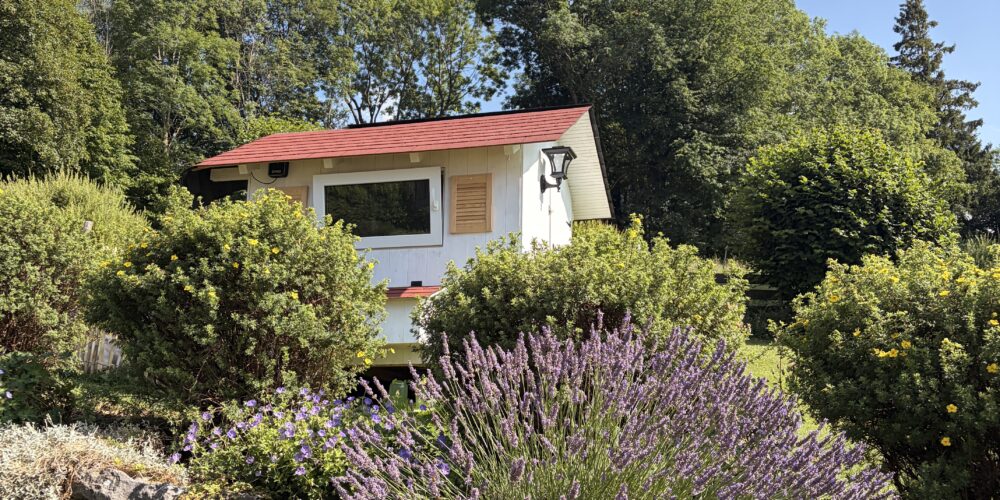
At what point does a yard stop needing small fixes and start needing an actual plan? It’s a harder line to spot than most homeowners expect, since problems tend to show up one at a time, a soggy corner here, an awkward patio there, making each issue feel isolated rather than part of something bigger.
According to the National Association of Realtors’ Remodeling Impact Report, produced jointly with the National Association of Landscape Professionals, 97 percent of Realtors surveyed said curb appeal is important when attracting a buyer, and 92 percent recommend that sellers improve their curb appeal before listing a home
For homeowners in Fairfield County, weighing whether to keep patching individual problems or step back and plan the whole property at once, recognizing the signs that point toward a full design, and understanding what professional planning actually adds, makes that decision far easier to make with confidence.
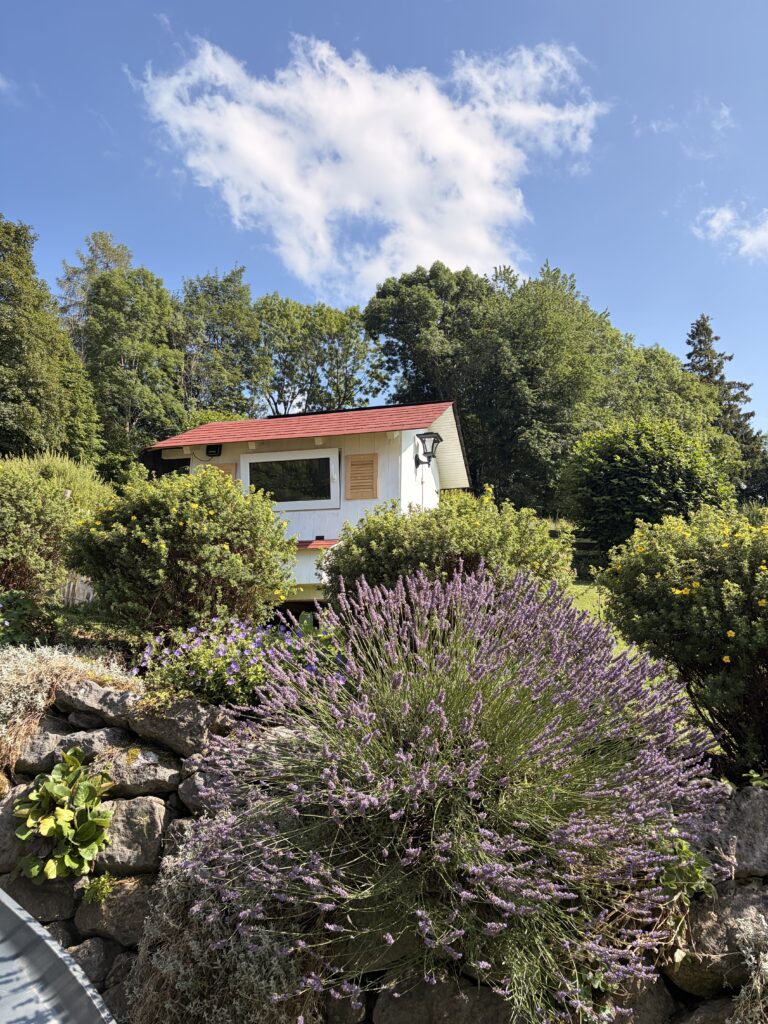
Signs Your Yard Is Asking for More Than a Patch
Most properties don’t announce that they need a full redesign all at once, the signs tend to build gradually and get dismissed individually. Here are five patterns worth paying attention to.
1. When Every Fix Creates a New Problem Somewhere Else
One of the clearest signs a property needs a full design, rather than another isolated repair, is when solving one issue keeps creating a new one elsewhere. Regrading a soggy section of lawn might just push water toward a different part of the yard, or adding a patio in one corner might suddenly make an existing walkway feel disconnected from the rest of the space. This pattern usually means the underlying issue isn’t about any single feature, it’s about how water, grading, and layout interact across the whole property.
2. When You Can’t Picture How the Different Areas Connect
A property with a full design has a sense of flow, one area leads naturally into the next, whether that’s a patio connecting to a garden path or a lawn transitioning smoothly into a planting bed. When a yard feels like a collection of separate, unrelated areas instead, that’s usually a sign the property was never actually planned as a whole. This is especially common in homes where landscaping was added gradually over years without ever stepping back to consider how those additions relate to each other.
3. When Drainage or Grading Issues Keep Resurfacing
Drainage problems are one of the most reliable indicators that a property needs comprehensive planning rather than another isolated repair. If water keeps pooling in the same general area no matter what gets adjusted nearby, the issue is very likely tied to the property’s overall grading, something that can only be properly corrected by looking at the site as a whole. Addressing grading in isolation often just relocates the same problem to a different spot.
4. When You’re Planning Multiple Projects at Once
Homeowners planning several outdoor projects around the same time, a patio, new plantings, updated lighting, are in a particularly good position to benefit from full design planning rather than tackling each project separately. Coordinating these elements together from the start avoids a common and costly mistake: finishing one project only to realize it conflicts with plans for the next. This kind of coordination also tends to be more cost-effective, since materials and installation can be planned together.
5. When the Property No Longer Matches How You Actually Use It
Sometimes a property simply no longer fits how a family lives, a yard designed years ago for a young family might not serve a household that now wants space for entertaining or a quiet, low-maintenance retreat instead. When this kind of mismatch exists, individual fixes rarely close the gap, since the layout itself needs to change, not just isolated features within it. Recognizing this kind of shift is often what prompts homeowners to consider a full redesign.
What Professional Planning Actually Adds
Once the signs point toward a full redesign, the value of bringing in a professional team becomes clear in a few specific ways. Here’s what that planning actually contributes beyond what a homeowner could coordinate alone.
1. A site-wide perspective — Professionals evaluate grading, drainage, and sun exposure across the entire property rather than one area at a time. This prevents the common mistake of solving a problem in one spot while unintentionally creating one somewhere else.
2. Realistic sequencing — A professional plan accounts for which elements need to be built first, like drainage and grading, before other features can be added successfully. This sequencing prevents costly rework that happens when projects are tackled out of order.
3. Material and design consistency — Professionals ensure that materials, plantings, and hardscaping choices work together visually across the whole property. This creates the sense of flow that’s difficult to achieve when different areas are designed independently over time.
4. Long-term durability planning — A full design accounts for material durability and plant health over years, not just how a space looks immediately after installation. This reduces the likelihood of a property needing significant rework again within just a few years.
5. Coordinated installation — Professional teams can execute a full plan in a coordinated sequence rather than requiring separate contractors and separate site visits for each element. This often reduces both cost and disruption compared to tackling projects one at a time.
Together, these planning elements help create an outdoor space that functions as a cohesive whole, making it easier to achieve lasting results than with a series of disconnected upgrades.
Finding the Right Team for a Full Design
Not every landscaping company offers true full-property design, and the difference matters considerably once multiple elements need to work together cohesively. Some companies specialize narrowly in installation or maintenance, while others are equipped to handle the design, planning, and execution of an entire property as one connected project.
This distinction is worth confirming directly, since a company that only installs individual features may not have the design expertise needed to plan how those features relate to each other. Choosing a team that handles both design and installation also ensures the finished property matches the original vision without gaps between planning and execution. This is exactly the kind of comprehensive evaluation worth seeking from landscape design services rather than piecing together separate contractors for each individual project.
Growing Solutions Landscaping & Design is one of the companies that takes this integrated approach, working with homeowners throughout Fairfield County to manage both the design and installation process so each element contributes to a cohesive, well-planned outdoor space.
What a Full Design Process Actually Involves
A proper design process typically starts with a walk-through conversation about how the space is used and what isn’t working, followed by a closer look at grading, drainage, and sun exposure across the property. From there, a cohesive plan is developed covering layout, materials, and how each area connects to the next, before any installation work begins.
This sequence matters because it treats the property as one connected system rather than a series of unrelated decisions, which is exactly the approach a full design is meant to provide.
Final Thoughts
A property rarely announces that it needs a full design all at once, the signs tend to show up gradually, through recurring drainage issues, disconnected spaces, or a layout that no longer matches how a family actually lives. Recognizing these signs early, rather than continuing to patch individual problems, is often what turns a frustrating yard into a property that finally works as a whole. Professional planning brings the site-wide perspective and coordination that piecemeal fixes simply can’t offer on their own.




Leave a Reply