

If you’re looking to choose the perfect piece of diamond jewelry, whether it’s for a wedding ring or just any other accessory, then you’re undoubtedly going to come across the prospect of lab-grown options. While lab-grown diamonds are becoming more and more popular, there has been a concerted effort to make them feel “lesser” than their mined counterparts. This is often done by spreading myths, and we’re going to take a closer look at some of them, debunking as we go.
They’re Not Real Diamonds
A lot of people will call lab-grown diamonds “synthetic” or say that they’re not real diamonds, but, in reality, they are chemically, physically, and visually identical to diamonds mined from the earth. They’re both made of the exact same stuff, carbon that has been crystallized to the exact same hardness and brilliance. The only difference is how they were made and the fact that lab-grown diamonds often lack the flaws of their mined counterparts.
They Don’t Sparkle Like Mined Diamonds
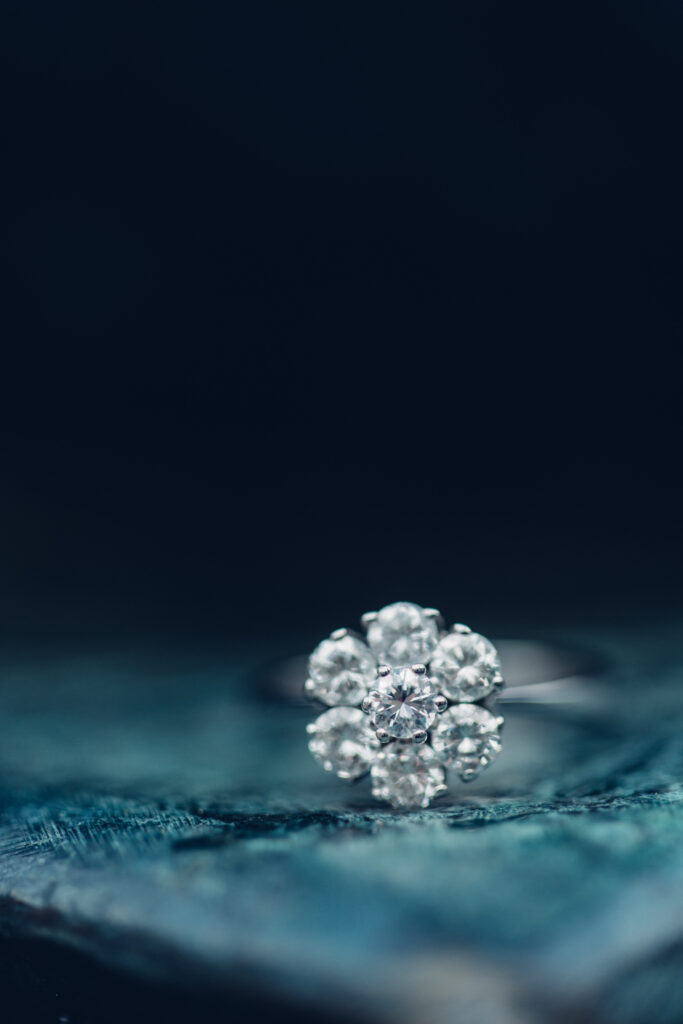
Some people think that because they’re not from the ground, lab-grown diamonds don’t have the same brilliance. This is a fundamental misunderstanding of where that sparkle comes from. It’s all down to the cut, not the origin of the stone. A well-cut lab-grown diamond, like in this three stone emerald and trillion ring, has every bit the shine and sparkle as any other diamond. In fact, lab-grown diamonds often have fewer inclusions and impurities, which can enhance their appearance.
They’re Not As Durable
Another common myth is that lab-grown diamonds are somehow weaker than mined ones, but this is just plain false. As mentioned, they are chemically identical, which means that both types of diamonds rate a h10 on the Mohs hardness scale, the highest possible rating. This is why they’re suitable for all the same purposes, such as not just engagement rings, but precision diamond cutting tools.
They Don’t Have Any Real Value
While it is true that lab-grown rings are a lot more affordable than their mined counterparts, this doesn’t mean that they have no value. Whatever the case, all diamonds depreciate when they are sold, as the jewelry market isn’t one that’s typically investment-driven. However, it’s often the piece of jewelry itself, including the diamond, that maintains value, not the stone itself. If there’s a resale market for jewelry, then there’s a resale market for lab-grown diamonds, too.
They’re Not Eco-Friendly
Some critics argue that lab-grown diamonds come with their own environmental price tag, namely the energy use involved. While they definitely do take up energy to make, lab-grown diamonds do not come with the massive land disruption, such as digging and blasting, deforestation, water use, and ecological damage, as mining does. What’s more, many diamond labs are opting for renewable energy sources to reduce their carbon use, making them even more sustainable.
Lab-grown diamonds are aesthetically identical, molecularly authentic, and much more affordable. The only difference is that they don’t come with the environmental price tag, nor the often dangerous working conditions required by mining.





Leave a Reply