
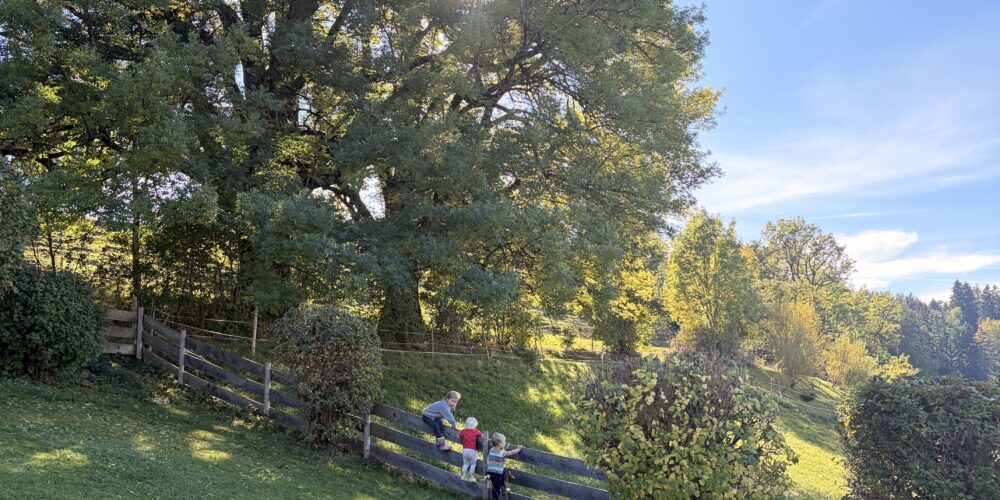
A backyard sanctuary works best when every part of the space supports how you want to relax, gather, and spend time outdoors. You don’t need a large yard or a complete renovation to create that feeling. A clearer layout, well-chosen plants, and a manageable care routine can make an ordinary space feel inviting. These ideas build on creating a relaxing outdoor retreat while helping you shape a garden that stays practical throughout the seasons.
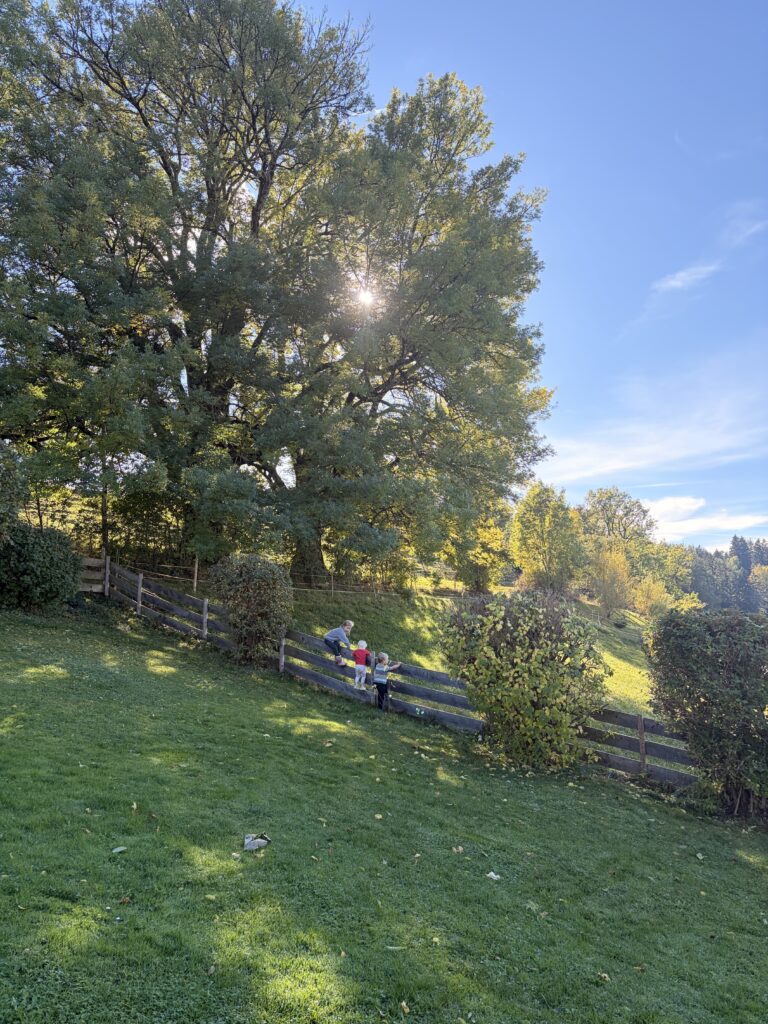
Define Your Backyard Zones
Start by listing the activities you’d like your backyard to accommodate. A patio might serve as the dining area, while a shaded corner can hold a reading chair and a patch of open lawn gives children room to play. Even a narrow yard can support two or three distinct zones.
Use planters, outdoor rugs, or low shrubs to create gentle boundaries without blocking sightlines. Leave paths at least 3 feet wide where possible so people can move comfortably between areas. As you plan, consider how much lawn and landscape upkeep each zone will require. Easy access to beds, water sources, and storage makes routine tasks far less disruptive.
Select Plants for Year-Round Appeal
Build your planting plan around structure first. Evergreen shrubs, ornamental grasses, and small trees provide shape after seasonal flowers fade. Then add plants with different bloom times so color moves through the yard from spring into fall. A garden sanctuary guide can offer further inspiration for combining plants with restful spaces.
Check each plant’s mature height and width before placing it. That compact shrub in a nursery pot may eventually spread 5 feet across. Group plants with similar sunlight and water needs, then repeat a few varieties across the beds. Repetition gives the garden a calm, connected look and simplifies care.
Incorporate Soothing Water Features
Water adds movement and soft background sound, even when space is limited. A tabletop fountain suits a balcony or small patio, while a recirculating basin can become a focal point in a larger planting bed. Position the feature where you’ll hear it from your main seating area.
Choose a design with a self-contained pump to avoid complicated plumbing. Check the water level every few days during hot weather and remove leaves before they clog the pump. For more design ideas, explore these backyard sanctuary tips. If standing water is a concern, select a feature where water disappears into a covered reservoir filled with decorative stones.
Essential Elements of Landscape Care
A simple schedule keeps your outdoor retreat attractive without consuming every weekend. Walk through the yard once a week and look for dry soil, weeds, damaged branches, or signs of poor drainage. Catching small issues early usually means less work later.
Water deeply enough to reach the root zone, then allow the upper layer of soil to dry as appropriate for the plant. Apply 2 to 3 inches of mulch around shrubs and perennials, keeping it a few inches away from stems and trunks. Prune flowering plants at the correct time for their variety, since trimming at the wrong point in the season can remove developing buds. Clean paths and seating areas regularly so the space always feels ready to use.
Enjoying Your Personal Retreat
Comfort determines how often you’ll use the space. Choose chairs that support relaxed sitting and add washable cushions that can be stored during wet weather. Soft outdoor lighting along paths and near steps improves visibility after sunset, while warm string lights can make a dining zone feel cozy without overwhelming the garden.
Keep a small basket near the door for sunscreen, a book, or outdoor games. That simple setup removes the need to gather supplies each time you head outside. Once your favorite chair has a view of layered greenery and the sound of moving water nearby, the backyard becomes an easy place to pause at the end of the day.



Leave a Reply