
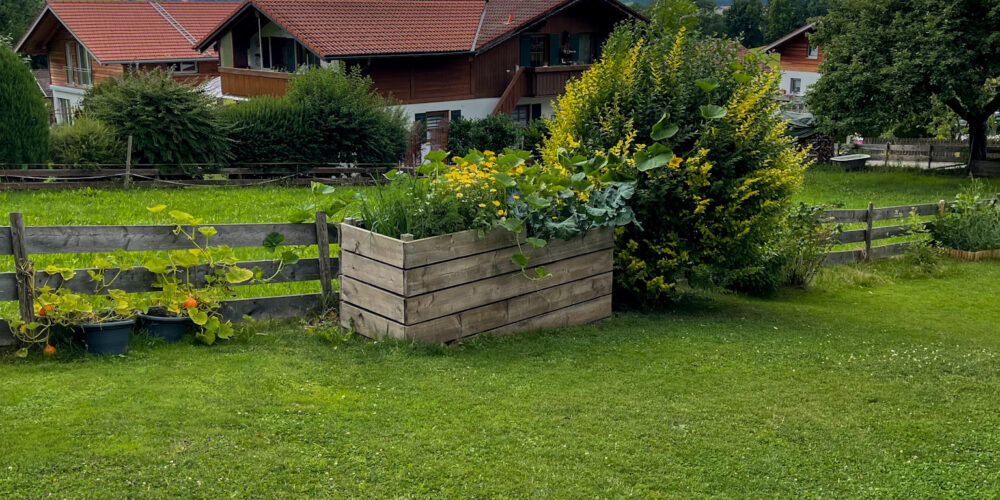
If you’re a keen amateur gardener, there are certain things that you should know. Once you have a given set of techniques under your belt, you can do almost anything in your garden without having to consult the internet or manuals. You can just go outside and get on with the job.
But what do you really need to know? What pieces of knowledge are absolutely vital for success long term? That’s what we explore in this guide.
Companion planting
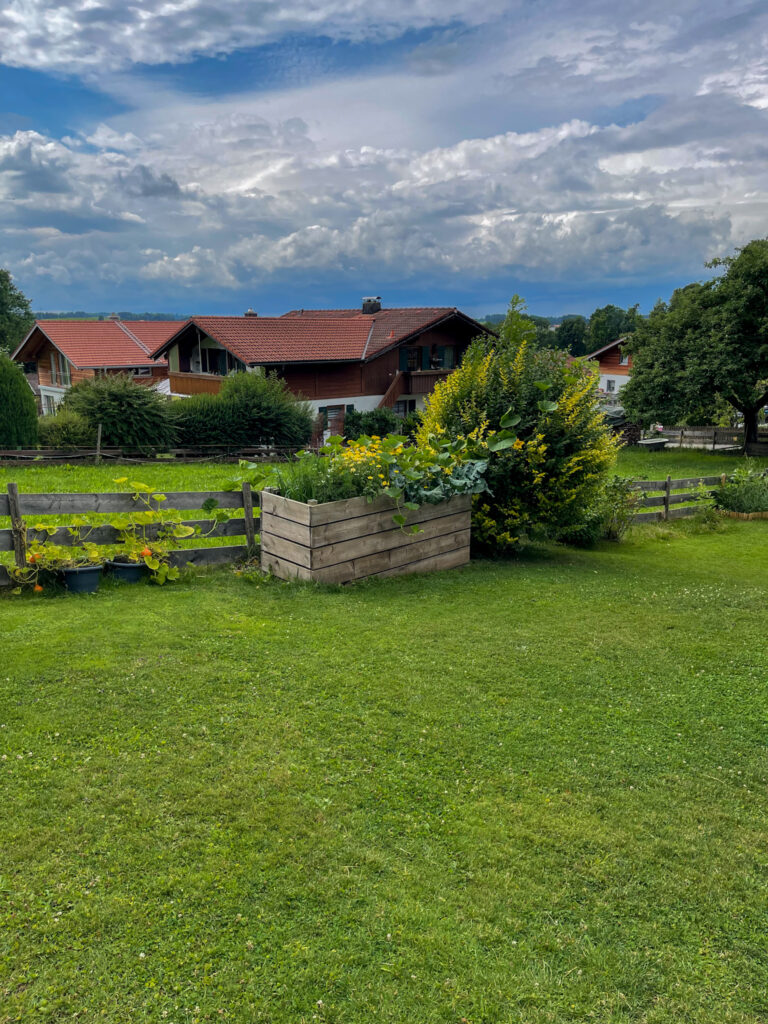
One of the first things that amateur gardeners learn about in their journey is so-called companion planting. This is the process of pairing species together that will complement one another. For example, marigolds often work well with vegetable gardens because they deter pests. Likewise, basil can sometimes protect tomato plants and even improve their flavor over time.
Once you have a good knowledge of companion planting, it then becomes easier to create a garden that’s going to thrive in your particular area, geography, and climate. Understanding these pairings will allow you to make more progress in a shorter space of time while fighting off various pests.
Pest monitoring
Speaking of which, you also want to have a good understanding of the different types of pests that could enter your garden. Most gardeners have issues with aphids and slugs, although you can see fungal spots on some of your trees. The best way to deal with these is to introduce their predators to your garden. If you can add more beneficial insects and other species, they can fight off these problems.
Another approach is to use organic controls like neem oil. Again, these can prevent the proliferation of invasive species while protecting established shrubs and trees from damage from microorganisms.
Planting zones and seasons
As an amateur gardener, you also want to understand planting zones and seasons. Ideally, you want to plant:
- Cool-season crops in the early spring, or in the fall
- Warm-season ones after the frost
For example, don’t try to plant tomatoes in the winter; they won’t grow. Instead, allow the temperatures to rise so that the last frost has already passed before planting. If you try to plant before a frost, it’s unlikely tomatoes will thrive.
Where and when to prune trees
It’s also a good idea to know when to prune trees. Getting the timing wrong can increase the risk of disease.
What’s nice about pruning is that it encourages healthy growth and better airflow around your garden. It can also lead to improved fruit and blooming during peak seasons for different species. If you notice dead or diseased parts, you can remove these at any time. However, if you’re looking to shape your tree, then only do this during dormancy, during the colder months of the year.
Make sure you use clean, sharp tools so you don’t spread any disease to the plant. If trees aren’t able to repair the wounds inflicted by pruning, then they can die soon after. You can sharpen things like secateurs relatively easily with sharpening tools.
Mulching for weed control
You’d be amazed at how many amateur gardeners don’t understand mulching for weed control. While mulch is an essential tool in any landscape property, a lot of homeowners don’t understand how to use it effectively.
The best approach is to use 2-3 inches of organic mulch. You can either buy this in the form of desiccated bark from gardening centers or use straw or wood chips. Placing these around plants allows soil to retain moisture during dry weather, while also preventing weeds from getting the sunlight they need to grow.
If you apply less than 2-3 inches, you can run into trouble because weeds are able to shoot up through the mulch and gain access to sunlight before they run out of energy.
How to water
Yard space. Many make the mistake of overwatering and saturating the soil when there is too much moisture around roots. This can cause some species to die. Roots become saturated, leading to conditions like root rot or simply the inability to take up nutrients.
If you can water deeply and frequently, you can do so. However, you’ll need to check that the soil isn’t becoming overwhelmed. Most gardens thrive with around 1-2 inches of watering per week. Obviously, if it rains heavily, you don’t need to water additionally.
Overwhelm
Amateur gardeners also need to learn how to avoid overwhelm, not in the psychological sense but in the sense that beginners usually plant too many plants too soon.
The best way to begin a garden is to start with a few small containers placed far apart. This approach protects the plants and you. They’re not trying to compete with each other for resources. It also gives you more confidence to plant more densely in the future. Once you understand which plants work together in the space required, then you can increase the fullness of your garden area.
The right locations
Amateur gardeners should also know how to choose the right locations for the plants that they intend to include in their beds. This requires knowing where the sun will be at any given time of the day. Most vegetables and plants need around six to eight hours of direct sunlight every day to thrive. This is why many plants die back during the winter time at higher latitudes when sunlight is limited.
You’ll only know how much sunlight you’ll get throughout the day by observing it. If you plant some species in areas with too much light, then they will die. The same is true of planting other species in areas with too little light. The key is to understand how much light each species requires and then put it in the right place.
If you’re an amateur gardener, we hope this post was helpful for you. Learning these tricks and tips is essential if you want to make the most of your outdoor space. Too many gardeners fail to learn basic principles and wind up disappointed.






Leave a Reply