
Have you ever stepped into a room that was perfectly neat but still felt… cramped? It’s frustrating, because the space itself hasn’t changed, yet something about the way it’s styled makes it feel smaller than it is.
The truth is, little design choices add up. The wrong wall color, a heavy curtain, or a bulky sofa can quietly shrink a room without you realizing it. On the flip side, a few thoughtful tweaks can open things up, letting light, flow, and balance do the work that square footage can’t.
What’s encouraging is that you don’t need a full remodel to create that effect. By paying attention to a handful of subtle design details, you can make almost any room feel larger, brighter, and more inviting.
Let’s look at seven simple changes that have an outsized impact.
1. Lighten Up Your Palette
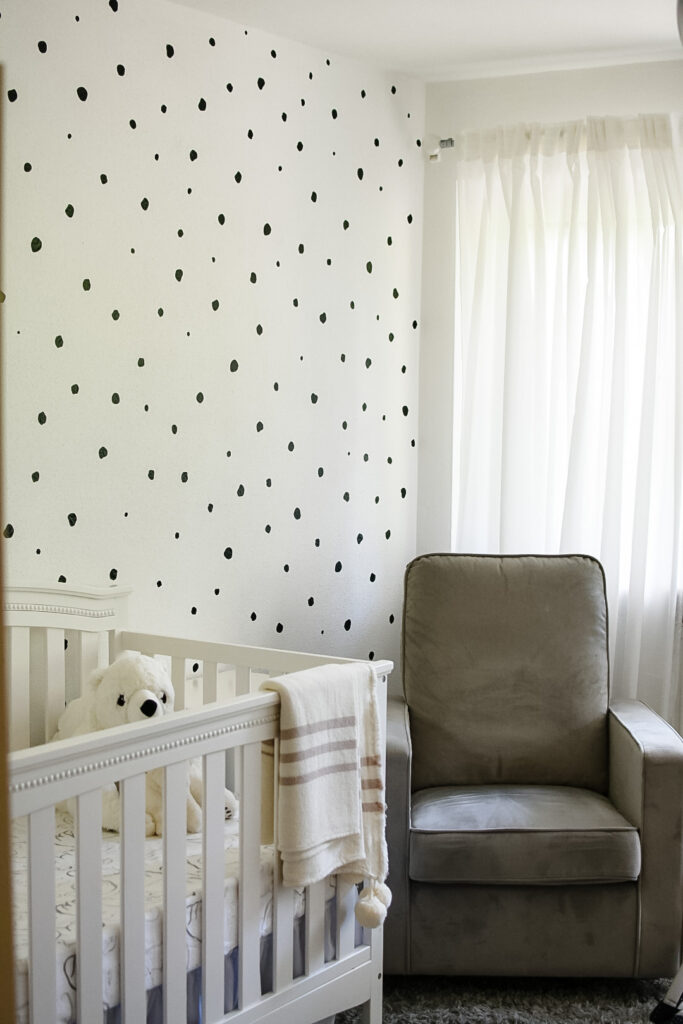
Color is one of the easiest ways to influence how spacious a room feels. Darker shades absorb light, making walls feel like they’re closing in. Lighter tones, creamy whites, pale grays, soft beige, or even gentle pastels, reflect more light and create a sense of airiness.
A few tips to get this right:
● Stick to one main color family so the eye moves around the room without interruption.
● Add depth with subtle contrast, such as warm wood accents, textured fabrics, or natural stone. This keeps a light palette from feeling bland.
● Use rugs or throws in similar tones to “blend” large furniture pieces into the space, reducing visual heaviness.
The goal isn’t to make every wall stark white; it’s to create harmony between light tones and accents so the room feels bright, calm, and unified.
2. Let There Be (Reflected) Light
Nothing expands a room more than good lighting. Natural light should be the first priority: swap out heavy drapes for sheer curtains, keep windows as open as privacy allows, and let daylight spill across the space.
But daylight isn’t the whole story. Artificial lighting can make or break the vibe at night. The placement of lamps, ceiling lights, and even dimmers changes how warm and open a room feels. Mirrors also play a role — place them opposite windows or behind key furniture pieces to bounce light deeper into the room.
Here’s where it gets tricky: every room has its own challenges. The direction of the windows, the ceiling height, and even the color of your walls all affect how light travels. That’s why lighting design is rarely a perfect DIY project. A local interior design studio can help balance natural and artificial light with the overall aesthetic of your space. From recommending fixture types to planning layouts that complement your theme, professionals know how to make a room glow without overwhelming it.
3. Declutter and Hide the Rest
Clutter doesn’t just look messy — it actually shrinks a room visually. Even a neat stack of small items can overwhelm the eye.
● Start by editing. Keep only what you love or use regularly.
● Use smart storage: woven baskets, fabric bins, and built-ins that tuck essentials out of sight.
● For decor, display fewer, larger statement pieces instead of lots of tiny trinkets. This reduces “visual noise.”
By curating instead of crowding, you’ll uncover space you didn’t even realize you had.
4. Think Vertical
When floor space is limited, expand upward. Tall features naturally draw the eye and make ceilings appear higher.
● Use floor-to-ceiling curtains — hung closer to the ceiling than the window — to elongate walls.
● Add vertical shelving or tall bookcases to maximize storage and emphasize height.
● Hang artwork slightly above eye level to stretch the perception of vertical space.
This approach is especially powerful in apartments or older homes with low ceilings, where every inch of perceived height matters.
5. Curate a Smarter Layout
Sometimes the problem isn’t the furniture itself, but where it sits. A poor layout can choke flow, while a smarter arrangement frees up space without adding square footage.
● Try floating a sofa to create pathways, instead of pushing everything against the wall.
● Leave enough negative space — don’t crowd every corner just because it’s there.
● Keep sight lines clear so your eyes can travel smoothly across the room.
Trust your instincts: if you find yourself bumping into furniture or feeling boxed in, the layout probably needs rethinking. Rearranging costs nothing but can completely transform how open a room feels.
Final Thoughts
Creating the impression of spaciousness isn’t about tearing down walls or spending a fortune. Simple choices like lighter colors, strategic mirror placement, and proper furniture scale can make any room feel larger. And if you’re ready for a bigger transformation but aren’t sure how to begin, consulting a professional design team once can save a lot of trial and error. Your home should reflect your personality while still feeling comfortable and open. A few thoughtful tweaks are all it takes to turn that “shoe box” into your personal sanctuary.






Leave a Reply